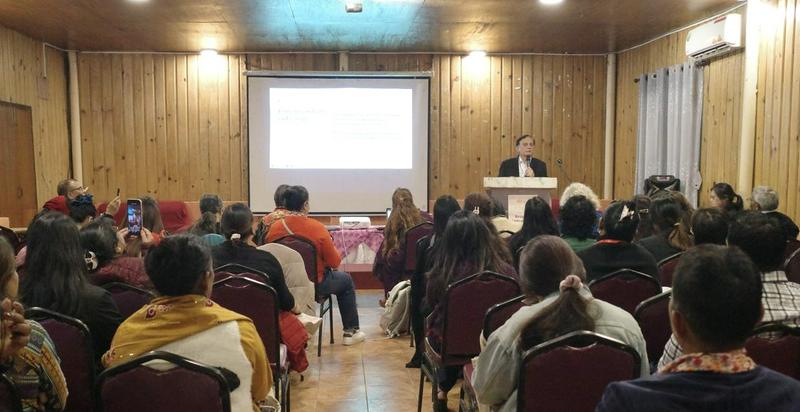
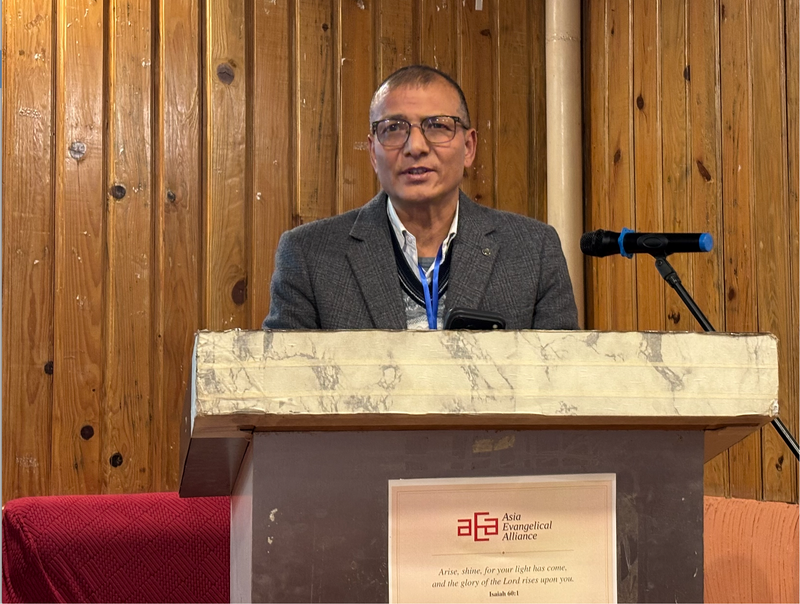
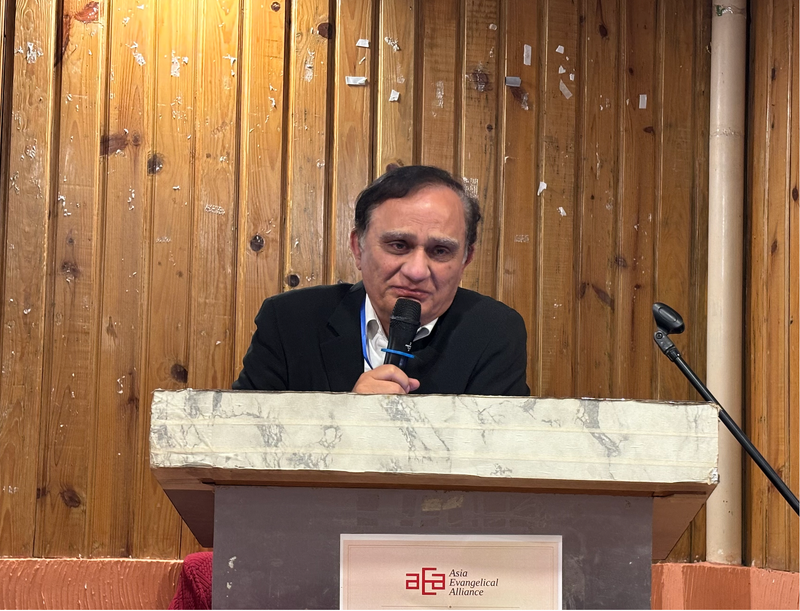

The first-ever Asia Evangelical Alliance (AEA) Conference on Domestic Abuse opened on November 25 in Kathmandu, Nepal, bringing together about 75 church leaders, mentors, and practitioners from eight nations. Organized by the AEA Women Commission, this year's conference is held under the theme " Church and Home – Bringing Light and Hope", with Isaiah 60:1 as its guiding verse.
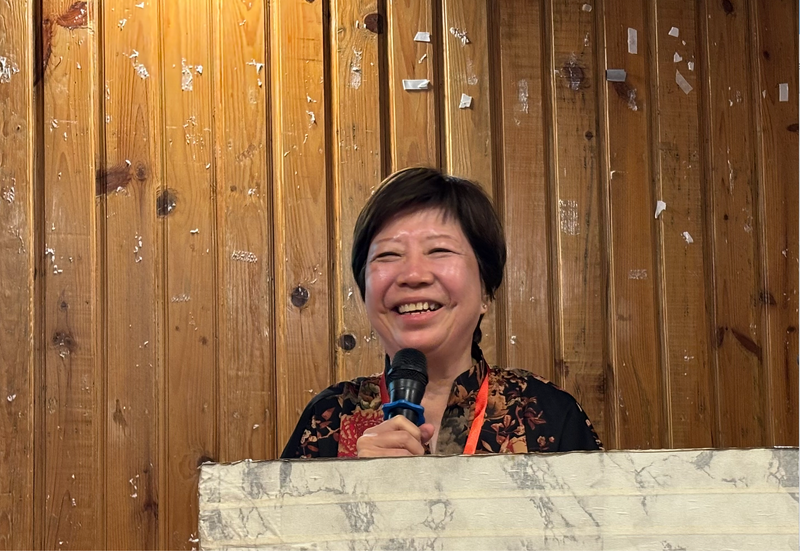
At the opening ceremony, Pastor Grace Hee, executive director of the AEA Women Commission, highlighted the family as part of God's design while acknowledging domestic abuse as an ongoing challenge.
Mentioning a series of webinars on family violence conducted over the past 18 months, she called on the participants to "together explore meaningful ways to stand up against this and to speak out against this."
Pastor Sher Bahadur A.C., general secretary of National Churches Fellowship of Nepal (NCFN), led the opening prayer for the conference to strengthen churches to "become a place of safety, love, justice, healing, and hope."
In a video greeting, Rev. Dr. Bambang Budijanto, general secretary of the AEA, described the family as central to the church. "I pray that through this conference, at this conference, God will reveal to each one of you what would be your role in helping churches to join this movement to stop domestic abuse now," he said.
Why Domestic Violence Matters to the Church
In the first plenary session, Rev. Dr. Richard Howell, executive secretary of the Evangelical Fellowship of India's Council of Churches and former AEA general secretary, delivered a lecture titled "Why Domestic Violence Matters to the Church."
"Domestic violence matters because it matters to God. We are created in the image and likeness of God," Howell declared, adding that tolerating abuse contradicts the Christian message of love and exposes a gap between what churches preach on Sundays and what happens behind closed doors
Drawing on the stories of Mary, Rahab, and Tamar, Howell stated how God hears those on the margins and reshapes their lives, while warning against cultural ideas of honor and shame that keep victims from speaking out—such as Absalom urging Tamar to stay silent after she was violated
Howell pointed out that domestic abuse takes many forms—including physical and sexual violence, humiliation, economic limits, and controlling behavior—and pointed to local realities such as son preference, wife-beating, and financial control inside families
Affirming that "the light is in the church," he also commended grassroots initiatives such as the Hannah Prayer Fellowships in Punjab, India, where women gather to pray, study Scripture, and support one another in confronting domestic abuse
Confronting Patriarchy, Shame, and Abuse Through Christ's Redemption
Kate Ward (pseudonym for safety reasons), founding director of Gender and Religious Freedom, gave the second plenary lecture titled "Made in the Image of God – Equality, Power, and Abuse," examining how power, shame, and cultural norms shape domestic abuse inside homes and churches.
Drawing on Genesis 1 and 2, she noted that God created men and women as equal image-bearers to live and work side by side without shame, before cultural expectations began invading church teaching. "Culture and society have seemed to dominate more than biblical truth," Ward said, warning that shame often keeps abuse hidden behind closed doors.
Turning to 2 Samuel 13, Ward traced the story of Tamar, who spoke clearly against her half-brother Amnon's assault but was silenced afterward, while her father, King David, failed to intervene. She stressed that patriarchy, or male dominance, is not God's design for human relationships but a result of sin that strips women of dignity, freedom, and safety while trapping men in distorted cultural standards.
"The Bible does reflect a patriarchal culture, but it does not teach patriarchy as God's standard for human relationships," Ward noted, urging Christian men to measure themselves by Christ rather than worldly systems of control
Contrasting Tamar's silencing with Jesus' encounter with the Samaritan woman in John 4, Ward highlighted how Jesus met a marginalized woman as an equal and even asked her for water, challenging established hierarchies between giver and receiver. Although women in that era faced social stigma and legal restrictions, Jesus engaged the Samaritan woman in the longest recorded conversation in the Gospel and allowed her to return to her community to share the good news.
"She has been given voice even at a point of abuse," Ward said, pointing to how God gives dignity to women in Scripture. She added that Christ's example of self-giving in Philippians 2 calls men and women to share authority through service and leadership.
Restoring the Family Within God's Redemptive Design
Pastor Grace Hee from Malaysia gave the third plenary speech titled "Biblical Understanding of Family for Redemption, not Abuse." Referring to a survey conducted across six Asian countries, she noted that domestic abuse remains a reality even within Christian communities.
Drawing on Jonathan Edwards's description of the family as the "domestic church," she emphasized that marriage and family belong first in God's plan of redemption rather than patterns of domination, violence, and control. "When families are strong, the church will be strong, the nations will be strong, the kingdom of God will advance," Hee said.
She described the family as a reflection of God's relational nature, pointing to the unity and mutuality of the Father, Son, and Holy Spirit. Marriage, she explained, is a covenant established by God rather than a contract based on conditions and personal interests.
Hee stressed that both men and women are created as whole persons in God's image, and that marriage does not determine or transfer their God-given dignity. A woman's identity, she said, comes from God rather than her husband, while neither spouse becomes the other's property through marriage. Drawing on 1 Corinthians 7, she emphasized mutual accountability in marriage, noting that abuse within the family contradicts God's character.
Turning to the biblical account of Noah in Genesis 6–9, Hee traced how violence filled the earth before the flood, yet God preserved Noah and his family and established a covenant with them, symbolized by the rainbow. However, she noted that brokenness also emerged within Noah's household after the flood. Referring to the account of Noah's nakedness after being drunk and Ham's actions in Genesis 9, she cited scholarly interpretations suggesting that Ham's actions involved a violation of boundaries, whether physical or otherwise.
Hee then turned to the Abrahamic covenant, through which God promised that all families on earth would be blessed. She highlighted Hagar's mistreatment in Abraham's household and her encounter with God as the One who sees her after she was sent away.
"In this one story, God allows an abused woman to name Him 'the God who sees,'" Hee said, describing Hagar's account as a source of hope for those experiencing abuse.
Turning to the family of King David, she pointed to David's abuse of power in his relationship with Bathsheba and the killing of her husband, Uriah, as well as the rape of Tamar by Amnon and her subsequent silencing by David and Absalom. The family conflict later escalated into further violence and a political coup.
These stories, she said, demonstrate that the Bible does not conceal the brokenness within families.
Building on these biblical foundations, the conference turns on its second day, November 26, to "Lived Realities and Faithful Responses," with plenary sessions, breakout discussions, and panel presentations. The final day, November 27, will focus on "Restoration, Justice and Sending Forth."